Vertical Expertise
Rugged Applications in Oil, Gas & Mining
Deploying rugged devices for data collection in Oil, Gas, & Mining markets is an area that has been growing very fast over the past couple of years and is slowly becoming standard practice. However, finding creative solutions to solve the variety of problems that customers encounter is much easier with the experienced team of advisors at Glacier Computer. Some of the more common applications are detailed below:
1. Field Inspection & Maintenance in Harsh Environments
Rugged tablets and handhelds enable technicians to perform inspections, log maintenance activities, capture photos, and access equipment manuals while working in extreme conditions—heat, dust, vibration, moisture, or corrosive environments. Devices are intrinsically safe and certified to C1D1 or C1D2.
2. Asset Tracking Across Wells, Rigs & Mining Sites
RFID and barcode‑enabled rugged scanners help track tools, heavy equipment, replacement parts, PPE, and consumables. This reduces losses, increases utilization, and ensures regulatory reporting accuracy across large, distributed operations.
3. Real‑Time Workflow Execution & Safety Compliance
Workers can complete safety checklists, hazard assessments, lock‑out/tag‑out procedures, and incident reporting directly on rugged tablets. Software integrations support compliance with OSHA, MSHA, and industry‑specific safety standards.
4. Remote Operations, Monitoring & SCADA Access
Rugged mobile computers allow field operators to access SCADA data, tank levels, pump status, drilling metrics, and environmental sensors in real time. This enables faster decision‑making and reduces downtime in upstream, midstream, and mining operations.
5. Exploration, Surveying & Geospatial Data Capture
GPS‑enabled rugged devices support geological mapping, pit surveying, seismic work, and asset verification in remote or hazardous terrain. High‑accuracy sensors and long‑life batteries ensure reliable performance throughout extended field shifts.
6. Worker Communication & Emergency Readiness
Rugged radios, tablets, and wearable devices support secure communications, lone‑worker monitoring, man‑down alerts, and emergency response coordination—critical for high‑risk environments such as drilling rigs, refineries, mines, and extraction sites.
Devices Used in Oil, Gas & Mining Solutions
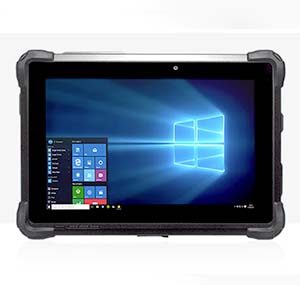
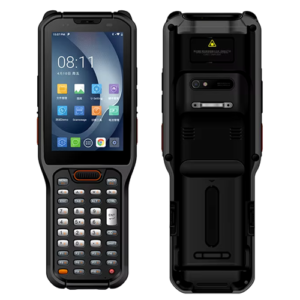
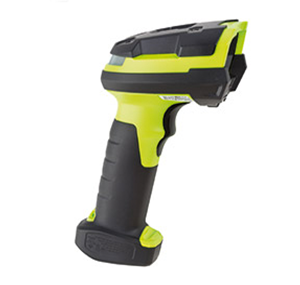
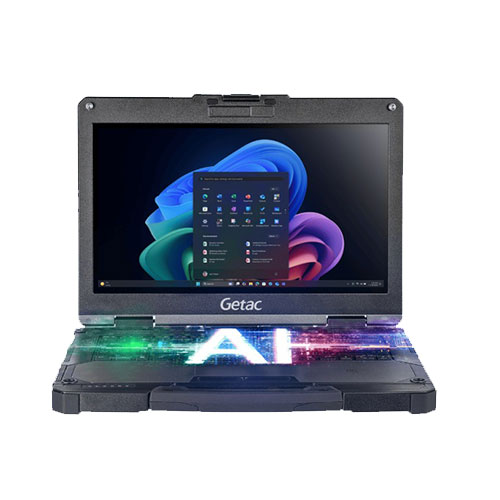
Glacier Computer represents offers a wide variety of the industry’s very best products which allow an array of rugged, sealed, all-in-one, and tablet computers allowing workers more efficiency in their work. Both Windows and Android tablet computers operating systems are being deployed every day into all environments and into all use-cases.
Software & Services for Oil, Gas & Mining
Stop buying hardware. Start subscribing to outcomes. Our DaaS program delivers always-current devices, fleet management, and zero-downtime support in one predictable monthly payment.
Device Management
Software
Mobile Solutions for SAP Deployment
Services
Cellular Connectivity
Services
FAQ’s
Below are the top 10 questions oil, gas, and mining operators ask when dealing with harsh field inspections, asset tracking, safety compliance, remote monitoring, surveying, and worker protection — along with the answers you must provide to demonstrate operational value and risk reduction.
1. Will these devices actually survive our environment?
Answer:
Yes. Our rugged mobile computers are engineered specifically for extreme industrial conditions — heat, cold, vibration, dust, moisture, chemicals, and corrosive atmospheres. They meet military-grade durability standards and are designed for oilfields, rigs, refineries, and mines by being certified to C1D1 or C1D2 intrinsically safe requirements. This reliability reduces device downtime and eliminates costly replacements.
2. How can technicians perform inspections and maintenance without paper forms?
Answer:
Rugged tablets allow technicians to access digital inspection checklists, equipment manuals, and work orders directly in the field. They can capture photos, annotate issues, scan asset tags, and submit reports instantly. This eliminates paperwork delays, improves accuracy, and creates a time-stamped maintenance record for compliance and auditing.
3. Can we track tools and equipment across large, remote operations?
Answer:
RFID and barcode-enabled rugged scanners provide real-time asset visibility across wells, rigs, pits, and remote mining zones. Every movement is logged, reducing tool loss, improving utilization, and ensuring required inspection and certification records are maintained. This is especially critical for regulated equipment and safety gear.
4. How do we ensure workers complete safety procedures consistently?
Answer:
Digital workflows enforce completion of safety checklists, hazard assessments, lock-out/tag-out procedures, and incident reports before tasks proceed. Supervisors gain real-time visibility into compliance. Automated audit trails support reporting aligned with OSHA, MSHA, and internal safety standards.
5. Can field operators access SCADA and operational data remotely?
Answer:
Yes. Rugged mobile computers provide secure access to SCADA dashboards, tank levels, pump status, drilling metrics, and environmental sensors from anywhere in the field. Operators can respond faster to anomalies, reducing downtime and preventing equipment failures.
6. How do these devices perform in remote areas with poor connectivity?
Answer:
Devices support multi-network connectivity and offline operation. Data can be cached securely during outages and synchronized automatically when connectivity returns. This ensures inspections, asset tracking, and safety reporting continue uninterrupted in remote locations.
7. Can we use them for exploration and geospatial work?
Answer:
GPS-enabled rugged platforms support geological surveys, pit mapping, seismic data capture, and asset verification. High-accuracy positioning and long battery life allow teams to work extended shifts in remote terrain without losing critical data.
8. How do we protect lone workers and improve emergency response?
Answer:
Rugged wearable and mobile devices support secure communications, lone-worker monitoring, man-down alerts, and emergency escalation workflows. Supervisors receive immediate notifications, improving response time in hazardous environments where minutes matter.
9. Will this integrate with our existing operational systems?
Answer:
Yes. Our platform integrates with maintenance systems, SCADA environments, ERP platforms, and safety management software. Data flows seamlessly between field operations and central systems, eliminating manual entry and improving decision-making.
10. What measurable ROI should we expect?
Answer:
Operators typically see measurable gains in:
- Reduced equipment downtime
- Fewer safety incidents
- Improved asset utilization
- Faster inspections and reporting
- Lower tool loss and replacement costs
- Stronger regulatory compliance
- Increased worker productivity
The result is safer operations, lower risk exposure, and more efficient field performance across upstream, midstream, and mining environments.
25 Years of Rugged Computing Expertise
The Glacier Advantage
For more than 25 years, Glacier Computer has supported rugged computing deployments across North America.
We partner with enterprise organizations to evaluate operational requirements, environmental conditions and workflow demands, then recommend and deploy technology that meets performance, durability and lifecycle expectations.
Our product portfolio is built on long-standing manufacturer relationships and years of field validation, ensuring every solution we provide is tested, reliable and ready for mission-critical environments.
Trusted by Industry Leaders
See why organizations choose Glacier Computer for their rugged computing needs.